Free Shipping Over $100! Shop Now 🎉


Founder of Loving Laundry

Our Story
My journey has been deeply shaped by a pivotal decision to step away from the fast-paced world of large technology and commodity corporations. Opting for a simpler, more fulfilling life on a ranch wasn’t just a change of scenery—it marked a profound realization for me. This transition brought a heightened awareness of the potential harm in everyday products, whether ingestibles or items worn daily. This awareness grew from personal struggles, particularly in the realm of fertility. Enduring extensive treatments to conceive my two children, I faced firsthand the challenges and health implications associated with certain products.
Motivated by these experiences, I felt driven to make a meaningful impact by revolutionizing everyday products. My vision extends beyond personal wellness; it embraces a broader humanitarian perspective. Founding a 501c3 charity focused on love and support for refugees reflects my commitment to positively influencing the lives of those facing adversity. This endeavor is deeply rooted in my values of compassion and empathy.
At the heart of my journey is my faith in Jesus Christ. I seek to emulate His example in my life, striving to glorify Him through my actions and endeavors. His teachings of love, compassion, and service inspire me to make a tangible difference in the lives of others, both through the products I create and the charitable initiatives I support.
Through my dedication to crafting health-conscious products and supporting those in need, I endeavor to honor my faith and be a catalyst for positive change. My journey is a blend of personal growth, faith-driven purpose, and altruistic aspirations, weaving together a path that promotes well-being, kindness, and the glory of God in our world.
Jennifer McDonald, CEO
Making A Difference
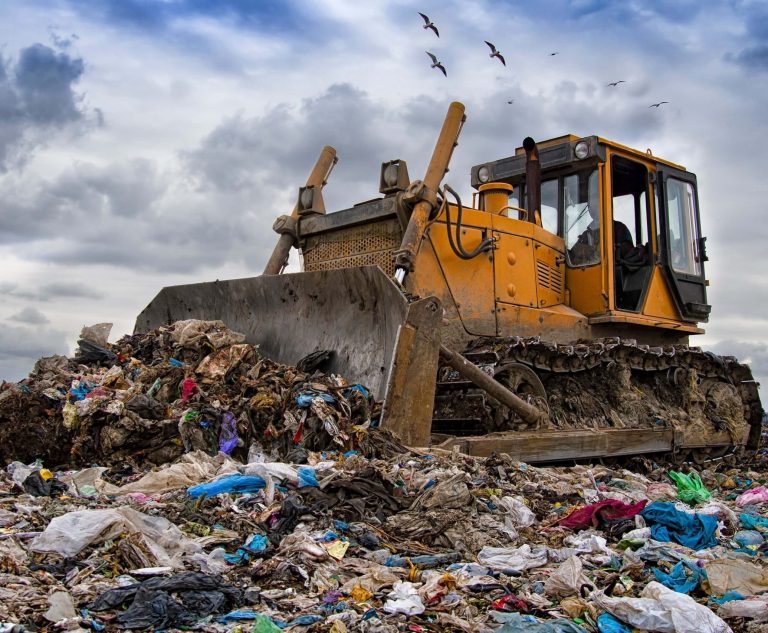
Plastics were once celebrated as miraculous materials, perfectly aligning with our culture of convenience. They were affordable, lightweight, easy to mass-produce, and effortlessly disposable. However, it quickly became clear that plastics are far more challenging to eliminate than they are to create.
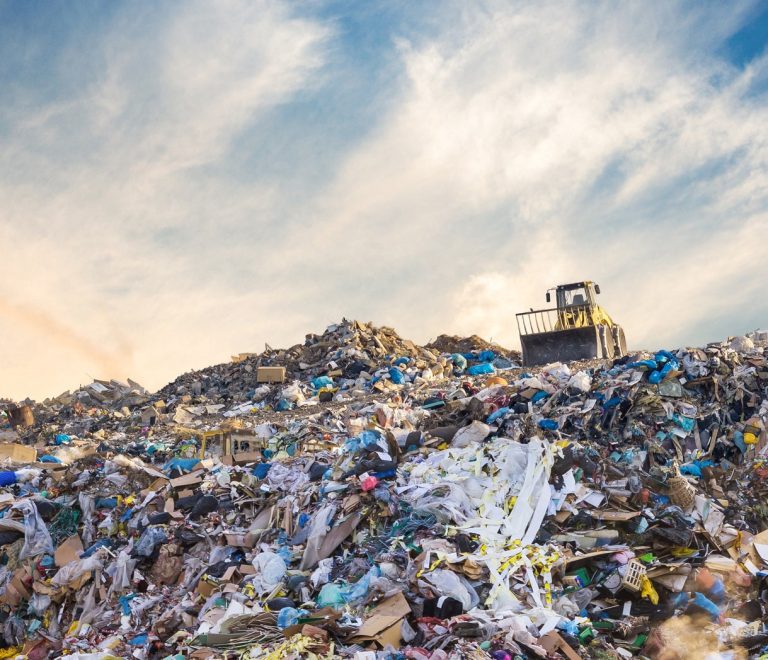
Every year, an estimated 8 million metric tons of plastic waste enter our oceans. This staggering amount contributes to massive garbage patches, such as the Great Pacific Garbage Patch, which spans an area twice the size of Texas. Marine life is profoundly affected; over 1 million seabirds and 100,000 marine mammals die annually due to plastic ingestion or entanglement.
On land, the situation is equally dire. Approximately 91% of plastic isn’t recycled, leading to an overwhelming accumulation in landfills. In 2021 alone, the United States discarded 35.7 million tons of plastic waste, with only a fraction being recycled. Plastics in landfills can take up to 1,000 years to decompose, releasing toxic chemicals into the soil and groundwater, which can cause long-term environmental and health issues.
These statistics underscore the urgent need for more sustainable practices and better waste management solutions to mitigate the persistent problem of plastic pollution.
Reducing plastic in your home can make a significant impact on the environment. Here are several steps you can take:
1. Switch to Reusable Bags: Use cloth or other reusable bags for shopping instead of plastic ones. Keep a few in your car or by your door so you don’t forget them.
2. Avoid Single-Use Plastics: Choose products with minimal or no plastic packaging. Opt for items packaged in glass, metal, or paper. Bring your own containers for takeout and bulk purchases.
3. Use Reusable Bottles and Cups: Invest in a high-quality water bottle and coffee cup. This simple change can drastically reduce the number of plastic bottles and cups used.
4. Buy in Bulk: Purchasing items in bulk reduces the amount of packaging waste. Bring your own containers to stores that offer bulk purchasing.
5. Choose Sustainable Personal Care Products: Select products like shampoo bars, bamboo toothbrushes, and metal razors. Avoid items with microbeads.
6. Store Food in Glass Containers: Replace plastic storage containers with glass or stainless steel options. Use beeswax wraps instead of plastic wrap.
7. Compost Food Waste: Instead of using plastic garbage bags, compost organic waste. This reduces plastic use and benefits your garden.
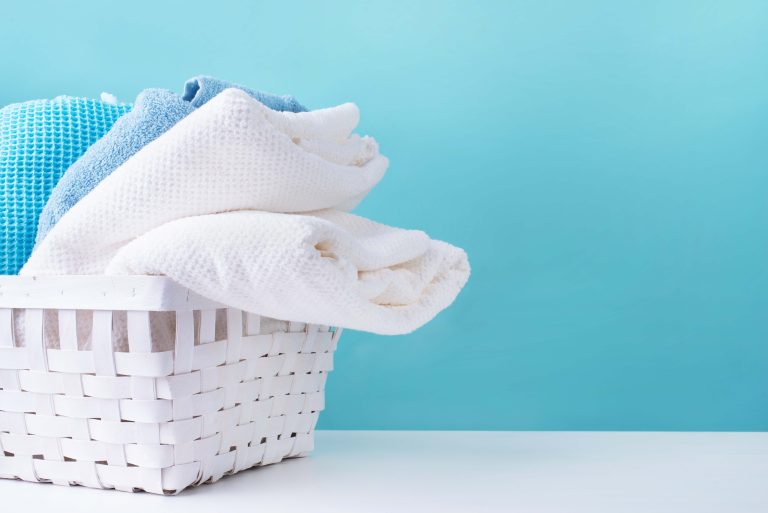
8. Opt for Cloth Over Paper and Plastic: Use cloth napkins and towels instead of paper products. This reduces both plastic and paper waste.
9. Say No to Plastic Straws and Utensils: Carry your own metal or bamboo utensils and straws. Many establishments now offer alternatives to plastic.
10. Recycle Properly: Be diligent about recycling plastics that can be recycled. Familiarize yourself with local recycling guidelines to ensure you’re recycling correctly.
By adopting these practices, you can significantly reduce the amount of plastic in your home, contributing to a healthier planet.
Our Newsletter